.svg)

.svg)





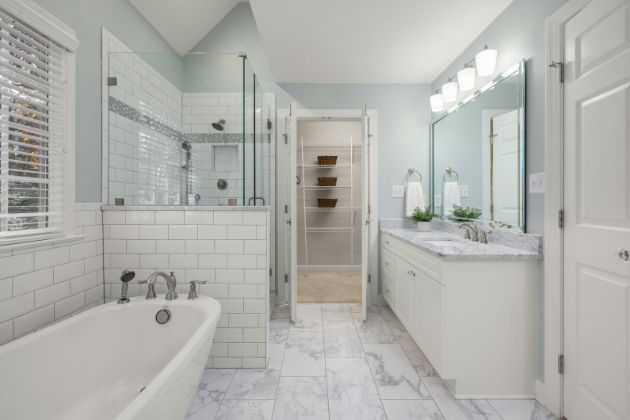
A lovely new bathroom can hide serious problems if the waterproofing hasn’t been done properly. Without the right tanking and sealing, water can seep behind tiles and cause rot, mould, and structural damage over time. Knowing the basics of waterproofing, how tanking works, why tiles alone aren’t enough, and how to prevent leaks helps you protect your home and avoid costly repairs down the line. Proper waterproofing ensures your bathroom stays dry, safe, and looking great for years to come.Tiles, grout and silicone: what they really do
Many people assume that tiles and grout are fully waterproof. In reality, they are more about looks and easy cleaning than providing a complete barrier to water.
Ceramic and porcelain tiles are very water resistant on the surface, but water can still find its way through tiny gaps, hairline cracks and the edges of the tile. Grout is porous, which means moisture can slowly soak through over time if the area behind is not properly sealed.
Silicone around baths, basins and shower trays helps stop splashes getting behind fixtures, but it is only a surface seal. It can peel, crack or develop gaps as the building moves. That is why a proper waterproofing system behind the tiles is so important.
What bathroom tanking means
Tanking is the process of creating a continuous waterproof barrier behind your tiles and fixtures. Think of it as putting a watertight jacket on the walls and floors in the wet areas of your bathroom.
There are two main types of tanking used in modern bathrooms and wet rooms:
- Liquid tanking systems – a paint-on or roll-on membrane that is applied to the substrate, often in several coats, then tiled over once fully cured.
- Sheet or mat membranes – pre-formed waterproof sheets or mats that are bonded to the walls and floors, with seams taped and sealed, before tiling.
Both systems can work very well if installed correctly. The key is careful preparation, correct overlap at joints, and sealing around any pipes or penetrations so that water cannot track behind the barrier.
Areas where tanking is especially critical
Not every square inch of a bathroom needs the same level of waterproofing, but certain zones are high risk and should always be tanked as part of a quality installation.
Inside shower enclosures
The walls and floor around a shower deal with regular, direct water spray. Tanking should extend beyond the glass enclosure, not just where you can see tiles getting wet, as splashes and steam can travel further than you think.
If you have a walk-in or open-ended shower, the tanked area generally needs to cover a wider section of the room to cope with overspray.
Wet rooms and level-access showers
In a true wet room, water can reach almost any part of the floor. A continuous tanking system beneath the tiles, running up the walls, is essential to keep water from escaping to the rooms below or next door.
Here, the detailing around the drain and the floor slope (fall) becomes critical, as even small errors can lead to standing water or leaks at the edges.
Around baths, niches and benches
The wall above a bath often doubles as a shower area, so it should be treated like a shower enclosure, not simply tiled onto bare plasterboard. Built-in shelves, niches and benches collect water and are common leak spots if the waterproofing is not continuous.
Any horizontal surface in the splash zone should be tanked and given a slight fall so that water runs off, instead of pooling and seeping into joints.
Common causes of bathroom waterproofing failure
Most bathroom leaks are not caused by one dramatic fault, but by several small oversights that add up over time. Understanding these weak points helps you ask better questions during a renovation.
Poor surface preparation
If the substrate (such as plasterboard, cement board or screed) is dusty, uneven or not suitable for wet areas, the tanking and tile adhesive may not bond properly. Gaps, voids and hollow spots can allow water to collect and find its way through.
Using standard plasterboard instead of moisture-resistant boards in showers, or skipping primers where they are needed, can also shorten the life of the waterproofing.
Movement and cracking
Houses move slightly over time with temperature and humidity changes. If joints at corners, along floors or around trays are not detailed correctly, this movement can cause cracks in grout, tiles or the membrane itself.
Flexible joint tapes, movement joints in the tiling layout and high-quality silicone help the bathroom cope with this natural movement without leaking.
Unsealed pipe penetrations
Every pipe that passes through your wall or floor is a potential leak path. If the tanking is simply cut around the pipe with no collar, sealant or gasket, water can travel along the outside of the pipe into the structure.
Professional systems include special sealing collars or careful detailing with the membrane and sealant to make this junction watertight.
Incorrect falls to the drain
In showers and wet rooms, the floor should gently slope towards the drain so water flows away quickly. If the falls are too flat, water can sit in corners or creep under glass screens and thresholds.
Over time, standing water increases the pressure on every joint, making it more likely that the waterproofing will fail at its weakest point.
Rushed or poor silicone work
Silicone is often one of the last jobs, and it is tempting to rush it. Thin, patchy or poorly adhered silicone beads can peel away within months, particularly around flexible areas like baths and trays.
Silicone should be applied to clean, dry surfaces, in a smooth, continuous bead with good contact on both sides. It is not a substitute for proper tanking, but it is an important final defence.
Signs your bathroom waterproofing may be failing
Water damage is not always obvious at first. Keep an eye out for subtle changes that could point to a problem behind the tiles.
- Musty or damp smells that do not go away, even after cleaning and airing the room
- Loose, hollow-sounding or cracked tiles, especially around the shower or bath
- Discoloured grout, mould growth that quickly returns, or dark patches that spread
- Staining, bubbling paint or peeling wallpaper on the ceiling below or adjacent walls
- Soft or spongy areas in timber floors near the shower or bath
If you spot these signs, reduce water use in the affected area and avoid directing the shower spray onto suspect walls or floors. In more serious cases, it may be safest to stop using the shower until it has been checked.
A professional inspection can identify the source of the leak and advise whether a local repair is possible or a more thorough refurbishment is needed.
Questions to ask your bathroom fitter about waterproofing
Before you commit to a new bathroom or wet room, it is sensible to talk openly about waterproofing, not just tiles and taps. Use this quick checklist to guide the conversation:
- What tanking system will you use on the walls and floor in the shower and around the bath?
- How far beyond the visible shower area will the waterproofing extend?
- How will you deal with corners, niches, benches and pipe penetrations?
- What boards or substrates will you use behind the tiles in wet areas?
- How will you ensure the correct floor falls to the drain in a wet room or walk-in shower?
A confident, experienced installer should be able to explain their approach in clear, practical terms and be happy for you to see the tanking stage before the tiles go on.
Planning a new bathroom or wet room with Riverside Construction Group
Proper waterproofing is at the heart of every long-lasting bathroom or wet room. Whether you are updating a family bathroom or considering a level-access shower similar to those featured on our Kingston upon Thames page, it pays to get the details right from the start.
Riverside Construction Group can manage the full process, from assessing your existing structure to installing robust tanking systems and high-quality finishes. You can explore more about our bathroom installations and refurbishments on our bathroom services page.
If you would like tailored advice or are ready to plan a survey for your next bathroom or wet room, contact Riverside Construction Group on 02031481518 to arrange a convenient visit.
.svg)