.svg)

.svg)




A boiler losing pressure can leave your home without reliable heating or hot water, but the cause is not always serious. A single drop may follow radiator bleeding, while repeated pressure loss can indicate a leak, faulty component or another issue that needs professional attention.
Common causes of low boiler pressure
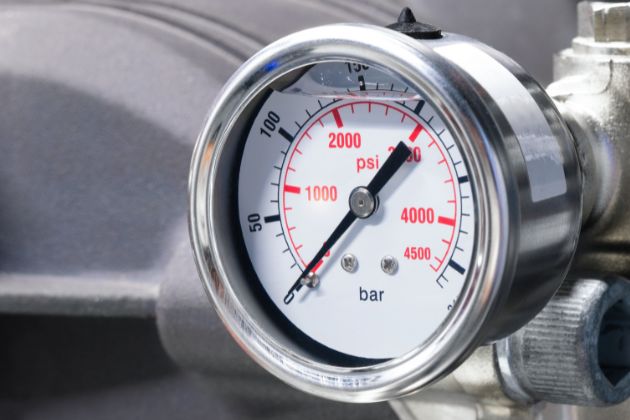
Most sealed central heating systems operate under pressure, shown on a gauge or display on the boiler. Pressure can fall when water escapes from the system or when a component fails to maintain the correct balance between water and air.
Small leaks around radiators, valves, pipe joints or the boiler itself are a common cause. Look for damp patches, green or rusty marks, water stains and corrosion, but remember that some leaks may be hidden beneath floors or inside walls.
The pressure relief valve may also be discharging water outside through a small copper pipe. This can happen because the system pressure has become too high, the valve is faulty or the expansion vessel is not working correctly. A failed expansion vessel can allow pressure to rise significantly when the heating is on, followed by a sharp drop as the system cools.
- A filling loop left open can cause pressure to rise and trigger discharge through the relief valve.
- Bleeding one or more radiators removes air but can also reduce system pressure.
- A faulty heat exchanger may allow water to escape internally or affect boiler pressure and operation.
- Loose radiator valves and ageing seals can cause slow, difficult-to-spot leaks.
Safe steps to restore boiler pressure
Read the gauge first
Check the pressure when the boiler and heating system are cool. Many systems sit at around 1 to 1.5 bar when cold, although the correct range varies, so use the boiler manual as your guide. When the heating runs, the reading may rise slightly, but it should not move into the red zone or increase dramatically.
Use the filling loop carefully
If the pressure is below the recommended range and there are no obvious signs of a leak, you may be able to top it up using the filling loop. Switch the boiler off and allow it to cool, then identify the loop, which is commonly a braided metal hose with one or two valves beneath the boiler.
Open the valves slowly and watch the gauge rise. Close them firmly once the pressure reaches the range stated in your manual, then check that the boiler returns to normal operation. Filling loop designs differ, so always check the manufacturer’s instructions and never remove the boiler casing or interfere with gas components.
After topping up, monitor the pressure over the next 24 to 48 hours. A small, stable change may be normal, but a further drop suggests that water is escaping or a component needs checking. Do not repeatedly refill the system without finding the cause.
Quick checks for common pressure problems
Pressure drops overnight
A drop while the heating is off can point to a slow leak, a pressure relief valve that is passing water or an internal boiler fault. Check radiator connections and the external discharge pipe for dampness, but arrange an inspection if the reading continues to fall.
Pressure drops only when the heating is on
This pattern may indicate an expansion vessel problem, as pressure rises when the system heats and then falls as it cools. A relief valve may be opening during the heating cycle, so frequent topping up is not a suitable long-term fix.
Pressure drops after bleeding radiators
Some pressure loss after bleeding is expected because air has been released from the system. Once the radiators are cool, check the gauge and top up only to the manufacturer’s recommended level. If pressure keeps falling, inspect for leaks or book a professional assessment.
Do not ignore these warning signs
Stop resetting the boiler and seek professional help if you notice water stains, hissing sounds, frequent need for top-ups, kettling or unusual banging noises. Pressure that repeatedly rises too high is also a warning that the filling loop, expansion vessel or pressure relief valve may need attention.
Turn the boiler off if there is active leaking, water near electrical components or a strong smell of gas. In an urgent leak situation, contact a qualified emergency plumber through the Wimbledon emergency plumber service, and do not attempt to open the boiler or carry out internal repairs.
Is it safe to use a boiler with low pressure?
A boiler may stop operating when pressure is too low, which is a built-in safety feature. You can usually follow the manual to top it up once, but continued use with falling pressure can worsen damage and leave you without heating. Repeated low pressure should be assessed by a qualified heating professional.
How often should I top up?
A sealed heating system should not need regular topping up. If you need to use the filling loop more than occasionally, or more than once after routine radiator bleeding, there may be a leak or faulty component requiring investigation.
What pressure should my boiler be?
Many boilers show approximately 1 to 1.5 bar when cold, with a modest increase while heating. The correct figure depends on the system, so check your manual and follow its marked operating range rather than relying on a general guide.
Arrange a professional boiler assessment
Low pressure is often easy to reset temporarily, but the underlying cause can involve hidden leaks, the expansion vessel, pressure relief valve or heat exchanger. Riverside Construction Group can arrange a boiler service or repair assessment to identify the fault safely.
For help with your boiler service or heating system, call Riverside Construction Group on 02031481518. Prompt advice can prevent a small pressure problem from becoming a larger heating failure.
.svg)