.svg)

.svg)





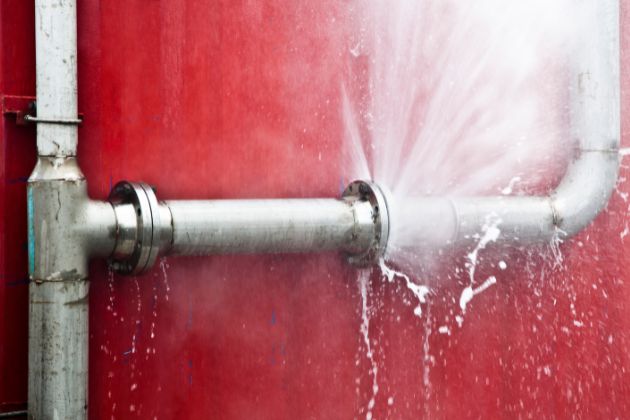
A burst pipe can cause sudden chaos, but having a clear, practical plan will help you stay calm and take control. Acting quickly can minimise water damage and protect your home’s structure and belongings. Follow these straightforward steps to make your home safe and manage the situation effectively while you wait for a professional plumber to arrive.
First actions to take immediately
As soon as you notice a burst pipe or serious leak, act quickly but safely. Do not waste time looking for towels or tools before you have controlled the water and checked for electrical risks.
- Turn off the water at the stopcock as fast as you can
- Isolate electrics if water is near sockets, lights or appliances
- Open taps to relieve pressure in the pipes
- Contain and divert water away from valuables and electrics
- Take photos and short videos once it is safe to do so
Once these urgent steps are underway, you can start to tidy up, move belongings and call a professional plumber.
How to turn off your water quickly
In most UK houses, the main stopcock is indoors. It is usually under the kitchen sink, in an under-stairs cupboard, or near the front door where the water pipe enters the property. Turn the valve clockwise until it stops.
In Wimbledon, Kingston and Richmond, many Victorian and 1930s homes have the stopcock under the stairs or low on a front hall wall. If you live in a flat, the shutoff may be in a communal cupboard on the landing, inside a utility cupboard, or sometimes in the car park area.
If you cannot find the internal stopcock, look for an external stop tap in the pavement or drive, usually marked with a small metal or plastic cover. Use a flat tool to lift the cover, then turn the valve clockwise. Only do this if it is safe and you can access it without standing in deep water.
Staying safe around electrics
If water is close to any electrical fittings, put safety first. Do not touch wet electrical appliances or sockets, and avoid standing in pooled water while you are near the consumer unit or fuse box.
If safe to reach, switch off the affected circuit at the consumer unit. For example, if water is dripping through a downstairs ceiling light, switch off the lighting circuit for that floor. If water is widespread or you are unsure which circuit is affected, it is safer to switch off the main switch.
Relieving pressure and containing water
After you have turned off the stopcock, open cold taps in the kitchen and bathroom to drain water still in the pipes. If your hot water is from a tank, you can also turn off the boiler and gently open the hot taps to let the system empty.
Use buckets, bowls and pans to catch drips, and towels or old sheets to soak up standing water. Move furniture, soft furnishings and electrical items out of the affected area, starting with anything on the floor.
Protecting valuables and floors
Lift rugs and carpets if you can do so safely, especially on wooden floors, to help them dry more quickly and reduce the risk of warping. If a ceiling is bulging, do not stand directly under it. Place a bucket underneath and gently pierce the lowest part of the bulge with a screwdriver only if the plaster still feels solid and you are confident it will not collapse.
Open windows if the weather allows to encourage ventilation. In flats with limited airflow, use standing fans on a low setting to help dry out the area, but only plug them into dry, unaffected sockets.
Documenting damage for your insurer
Once the situation is stable, start recording what has happened. Insurers usually expect clear evidence of the leak and the resulting damage.
Take photos and short videos of affected rooms, close-ups of damaged items, and any visible pipework or fittings involved. Make a simple list of damaged belongings, including rough purchase dates if you remember them, and keep any receipts for emergency work or drying equipment.
Common burst pipe scenarios and what to do
Burst pipe or leak under the kitchen sink
Under-sink cupboards are a frequent leak point, especially around flexible hoses and isolation valves. After turning off the stopcock, close any local isolation valves on the hot and cold feeds to the tap by turning them a quarter turn.
Remove cleaning products and stored items so the area can dry. Place a tray or shallow container under the pipework to catch any remaining drips and leave the cupboard doors open to allow airflow.
Leaking radiator valve
If a radiator valve is leaking, first put a bowl or tray under the leak and wrap a towel around the base to protect the floor. Many modern radiators have valves that can be turned fully clockwise to reduce the flow of water into the radiator.
If the leak continues rapidly, turn off the main stopcock and bleed the radiator slightly with a radiator key to relieve pressure, catching the water in a container. Do not completely remove the bleed valve, and avoid overtightening it when you close it again.
Ceiling leak from an upstairs bathroom
For water coming through the ceiling below a bathroom, turn off the water supply and avoid using the bath, shower, basin or toilet in that room. Place a bucket under the leak and move furniture and electrical items well clear.
If the ceiling is sagging or cracked, keep people out of the room until a professional can assess it. Leaks from bathrooms are often related to failed seals, loose waste pipes or overflowing cisterns, so make a note of what was being used when the leak started.
External pipe or outdoor tap leak
External pipes and garden taps can rupture in cold weather. Turn off the indoor isolation valve that feeds the outside tap if one is fitted, usually on the pipe just inside the wall.
If you cannot isolate it internally, turn off the main stopcock. Avoid walking on frozen, water-covered paths to prevent slips, and use sand, grit or old towels to improve grip until the area can be repaired and dried.
Things you should avoid doing
Some quick fixes can actually make the situation worse or void warranties and insurance. It is better to control the leak and wait for a professional than to cause extra damage.
Avoid using tape, cling film or sealant as a long-term repair on a pressurised pipe. These might slow a drip briefly but are not reliable and can mask the true extent of the damage.
Do not overtighten valves or fittings, as this can crack joints and create bigger leaks. Also, never ignore a “small” leak. Persistent drips behind units or under floors can lead to rot, mould and structural problems.
Getting professional help in Wimbledon, Kingston and Richmond
Once you have made your home safe and limited the damage, arrange for a qualified professional to assess and repair the problem properly. Burst pipes and hidden leaks often need more than a quick visible fix, especially in older homes and conversions common around Wimbledon, Kingston upon Thames and Richmond.
For urgent help with burst pipes, leak detection and water damage restoration, you can contact Riverside Construction Group on 02031481518. Visit their Riverside Construction Group page, and check their Emergency Plumber and Leak Detection & Restoration services to get expert support and guidance from an experienced local team.
Acting quickly, staying safe around electrics and calling in professional help will give your home the best chance of a fast, thorough recovery after a burst pipe.
.svg)